

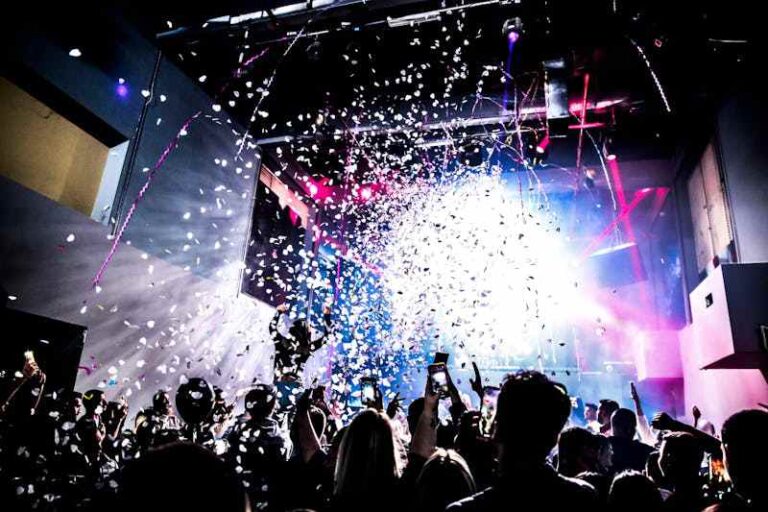
It’s not about doing more. It’s about doing enough, thoughtfully. That’s what stays with people.
Some events are pleasant. Others linger in memory long after the lights come up. The difference is rarely the venue, the guest list, or even the budget. It’s usually something smaller, subtler, a collection of choices that shape how people feel. Nighttime and Themed Events heighten that effect, turning fleeting moments into lasting impressions.
So, which details will your guests remember long after the night ends?
First impressions begin before arrival
The event doesn’t start when guests walk in. It starts when they anticipate it.
- Lighting outside the venue that hints at the mood
- Music drifting toward the entrance, never blasting
- A visual cue that suggests what kind of night this will be
These early signals prepare the brain. They build curiosity. They set expectations.
Nighttime and themed events benefit most from this moment. Darkness heightens awareness. People notice contrasts more. Shadows. Color. Sound. A well-considered arrival doesn’t overwhelm. It invites.
Lighting shapes emotion
Lighting doesn’t just help people see. It tells them how to feel. Low light slows things down. Warm tones relax. Sharp beams energize. Moving light creates momentum.
Small lighting choices change the entire rhythm of an event. A soft wash can make a space feel intimate. A sudden shift can signal transition. Dinner to dance floor. Conversation to celebration. Even shadows matter. Especially at night. They add depth. Mystery. Texture.
Flat lighting feels safe. Dimensional lighting feels alive.
Sound is more than music
Music sets the mood, but sound design goes further.
- The echo of footsteps as people move through the space
- The hum that lives between songs
- The pause of silence just before a beat drops
These pauses and textures guide attention. At themed events, sound cues reinforce the story. Subtle effects layered beneath music can transport guests without them consciously noticing why. A faint ambient track. A distant rhythm. A tonal shift as the night progresses.
When sound feels intentional, guests lean in.
Textures people don’t realize they’re noticing
Guests may not comment on textures, but they feel them.
The weight of a glass. The softness of seating. The temperature of the room. These details register below the surface.
Smooth surfaces suggest polish. Rough ones feel raw and energetic. Fabric absorbs sound. Metal reflects light. Wood warms a space visually, even before it’s touched. When textures align with the theme, the event feels cohesive. When they clash, something feels off, even if no one can explain why.
Transitions matter more than moments
Many events focus on highlights. The big reveal. The main act. The peak moment. But transitions often define the experience.
How guests move from one space to another. How lighting changes over time. How energy builds instead of jumping abruptly. Smooth transitions keep people comfortable. Intentional ones keep them engaged.
Think about:
- Gradual shifts in music tempo
- Lighting that evolves instead of switching instantly
- Visual cues that guide movement
These in-between moments are where immersion lives.
The power of a clear theme
A theme isn’t a costume. It’s a filter. Every decision passes through it. Color. Sound. Pacing. Interaction.
Strong themed events don’t explain themselves. They demonstrate consistency. Nothing feels random. Nothing breaks the illusion. The most effective themes leave space for interpretation. They suggest, rather than shout. Guests fill in the gaps with their imagination.
That participation deepens memory.
Small surprises create big reactions
Surprise doesn’t need to be loud. It can be quiet. Unexpected. Almost secret. A performer appearing where guests didn’t expect. A lighting change timed perfectly with a beat. A visual element revealed only after dark. These moments don’t interrupt the flow. They enhance it.
Surprise works best when it feels earned. When it arrives naturally within the story of the night. Too many surprises feel chaotic. One or two well-placed ones feel magical.
Pacing decides the ending
An event doesn’t need to exhaust people to impress them. Pacing determines whether guests leave energized or drained.
Build gradually. Allow breath. Then rise again!
Nighttime events especially benefit from rhythm. Peaks and valleys. Moments to dance. Moments to talk. Moments to observe. When pacing feels intentional, guests stay longer. They lose track of time. They don’t rush the exit.
Why small details leave big impressions
People rarely remember everything. They remember fragments. A light hitting the wall just right. A sound that felt perfectly timed. A moment that surprised them without effort.
These details combine into a feeling. That feeling becomes a memory. Events that stand out, where pros like Smooth Event Group are involved, don’t rely on scale alone; they rely on attention. On noticing what others overlook. On shaping experience, one small decision at a time.
