

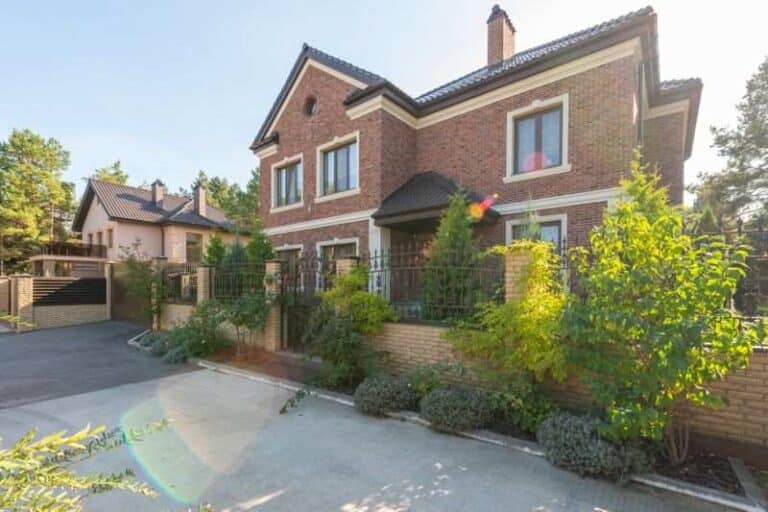
Your roof needs replacement. This is expensive. Decisions made now affect home value and protection for decades. The wrong choice costs money repeatedly. The right choice protects your investment. Many homeowners replace roofs reactively when leaks appear. Emergency replacement forces bad decisions. Better to plan ahead.
Understanding what makes roofs different helps you choose wisely. Types of roof vary dramatically in cost, durability, appearance, and maintenance requirements. Knowing these differences prevents expensive mistakes that haunt you for years.
But which roof type actually makes sense for your home? Does the cheapest option make sense?
Asphalt Shingles Dominate For Good Reasons
Asphalt shingles cover most American homes. They’re affordable. Installation is straightforward. Repairs are simple. They look reasonably attractive. They last fifteen to twenty years. For most homeowners, asphalt shingles make financial sense. They’re not the best option. But they’re reliable and cost-effective.
Quality varies significantly among asphalt shingles. Premium three-tab shingles cost less. Architectural shingles cost more but last longer. Laminated shingles provide better durability. Evaluate based on your climate and budget constraints.
Metal Roofs Offer Excellent Durability
Metal roofs last forty to seventy years. They’re energy efficient. They handle extreme weather. They’re fire resistant. The initial cost is double asphalt. But longevity justifies the expense. Over a lifetime, metal costs less than replacing asphalt twice.
Metal roofs are noisy in rain. Some people find this annoying. Others love the sound. Noise isn’t a technical problem. It’s a preference issue. Metal requires specialized installation. Ensure contractors have metal roof experience before hiring.
Wood Shakes Create Rustic Appeal
Wood shakes look beautiful. They age attractively. They provide excellent insulation. They last thirty to fifty years if maintained. But maintenance is demanding. Shakes require regular treatment. They’re susceptible to rot. Fire resistance requires special treatment. Cost is high. Maintenance is ongoing.
Wood shakes work best in appropriate climates. Humid areas accelerate decay. Dry climates work better. Verify local fire codes before choosing wood. Many areas restrict wood roofing due to fire risk.
Slate Provides Timeless Elegance
Slate lasts one hundred years or more. It’s fireproof. It’s beautiful. It’s extremely expensive. Installation requires specialized skills. Few contractors work with slate. Repairs are difficult. Replacement slate must match existing material. Cost is prohibitive for most homeowners.
Slate works for high-value homes where longevity matters. Historic properties often choose slate. For most homes, the cost exceeds the value benefit. But for appropriate situations, slate’s durability justifies premium pricing.
Tile Roofs Suit Specific Architectures
Clay tiles last seventy to one hundred years. Concrete tiles last fifty to seventy years. They’re beautiful. They’re heavy. Homes must have a structural capacity to support tile weight. Installation requires experienced contractors. Cost is substantial.
Tiles work for Mediterranean, Spanish, and Southwestern architecture. They look wrong on other homes. They’re uncommon in many regions. Finding contractors might be difficult. Consider local availability before choosing.
Roof type selection factors:
● Material cost including installation labor
● Expected lifespan and maintenance requirements
● Local climate compatibility and weather resistance
● Fire rating appropriate for your area
● Aesthetic fit with home architecture
● Structural capacity to support material weight
● Contractor availability and expertise locally
● Warranty coverage and manufacturer support
Climate Compatibility Determines Performance
Your climate determines what works. Coastal areas need salt-resistant materials. Mountains need heavy snow load capacity. Hot climates need heat-reflective options. Wet climates need excellent water drainage. Cold climates need ice dam prevention. Choose materials rated for your specific climate.
Material recommendations vary by region. What works in Arizona fails in Vermont. Consult local contractors about materials proven successful in your area. Local experience reveals what actually performs well.
Energy Efficiency Impacts Operating Costs
Light-colored roofs reflect heat, reducing cooling costs. Dark roofs absorb heat, increasing cooling costs. Metal roofs reflect heat efficiently. Asphalt absorbs more. In hot climates, reflective roofs save money. In cold climates, heat absorption might help.
Calculate long-term energy savings. Premium cost might be recovered through reduced energy bills. Some areas offer tax credits for energy-efficient roofing. Research available incentives before deciding.
Installation Quality Matters As Much As Material
The best material installed poorly fails prematurely. Poor installation creates leaks. It voids warranties. Find experienced contractors. Ask for references. Verify insurance and licensing. Poor installation turns good materials into expensive failures.
Warranty Coverage Protects Your Investment
Quality materials come with manufacturer warranties. These warranties protect against defects. Contractor warranties protect against installation problems. Read warranty details carefully. Understand what’s covered and for how long. Warranties provide important protection against problems.
Some warranties last decades. Others expire after a few years. Premium materials typically include longer warranties. Understanding warranty terms helps evaluate true material value. A cheaper material with no warranty might cost more than an expensive material with a lifetime warranty.
Insurance And Home Valuation Impact
Some roof materials qualify for insurance discounts. Metal roofs sometimes reduce insurance costs. Upgraded materials might improve home value. High-end materials appeal to potential buyers. Premium roofing materials can justify higher asking prices when selling.
Consult your insurance agent about discounts. Ask real estate agents how roofing affects home value. These factors affect true cost-benefit calculations. Don’t ignore insurance and valuation implications.
Getting Professional Contractor Recommendations
Experienced local contractors know what works best in your climate. They’ve seen many materials perform through seasons. They understand local building codes. They know which materials are problematic. Contractors provide invaluable local expertise. Trust their recommendations based on experience.
Installation Timeline And Disruption
Roof replacement disrupts your home. Workers on roof. Noise and mess. Proper planning minimizes disruption. Understand timeline expectations. Ask contractors how long installation takes. Some materials take days. Others take weeks. Plan accordingly for family and business needs.
Planning Your Roof Project
Get multiple contractor estimates and compare both material options and long-term pricing, looking beyond just the initial investment. Plan your replacement well before leaks or other structural failures appear, as avoiding emergency decisions allows for much more thoughtful choices. This careful, proactive approach is just as important when considering other exterior improvements, such as choosing the right vinyl siding contractor, where planning ahead prevents rushed, costly mistakes.
FAQs (Frequently Asked Questions)
How long should a roof last?
Depends on material. Asphalt lasts fifteen to twenty years. Metal lasts forty to seventy years. Tile lasts fifty to one hundred years. Slate lasts over one hundred years. Choose based on longevity goals and budget.
What’s the most cost-effective roof type?
Asphalt shingles cost the least initially. Metal costs more upfront but saves money long-term. Calculate lifetime costs, including maintenance and replacement, not just initial installation cost.
Should I replace my roof myself?
No. Roofing is dangerous and complex. Improper installation creates leaks and voids warranties. Professional installation is essential regardless of experience level.
How do I know if my roof needs replacement?
Signs include leaks, missing shingles, granule loss, sagging, interior stains, or visible decay. Age matters too. If approaching the end of the expected lifespan, replace proactively rather than reactively.
Can I install a new roof over an old roof?
Sometimes. A single overlay is possible. Multiple layers create problems. Professional assessment determines what’s possible for your situation.
What’s the best time to replace a roof?
Spring or early fall work best. Weather is mild. Contractors are available. Avoid winter weather complications. Plan at least three months ahead for optimal scheduling.
