

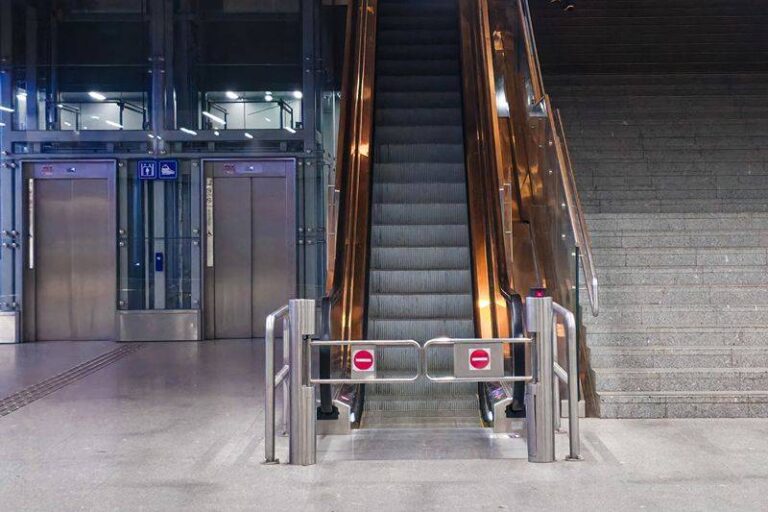
Most people don’t think about the lift in their building until it stops. Then, suddenly, it becomes everyone’s problem. But a lift rarely fails without warning. It usually starts with small things: doors taking too long, a ride that feels a bit off, a strange pause before it moves, or yet another engineer visit that nobody really planned for.
At first, people ignore it. They always do. A slow lift becomes “normal.” A rough stop becomes something residents joke about in the lobby. But for building owners and facility managers, these little clues matter. Spotting them early can be the difference between a planned upgrade and a proper headache on a busy weekday. Well-timed lift upgrades that improve performance and reduce downtime can extend asset life while taking pressure off the maintenance team, tenants, residents and visitors. So what should you actually watch for? Usually, the lift has been giving hints for a while.
It’s getting slower
This is often the first sign, and it’s also the easiest one to explain away. The lift takes longer to arrive. The doors open with a lazy pause. You press the button, look at the floor display, wait, then look again.
Nothing dramatic. Just slower.
People adjust almost without noticing. They leave for meetings a bit earlier. They take the stairs for one floor. In an apartment block, someone carrying shopping bags starts planning their trip around the lift instead of trusting it to show up quickly. Funny how a building problem can quietly become part of people’s routine, isn’t it?
A facilities manager once told me his team had started turning up two minutes early for morning briefings. The reason was the lift. He only noticed when a new staff member asked why everyone came in early. The lift had been slowing down for more than a year, but nobody had really complained. They had simply worked around it.
That’s not just character. It’s a warning sign. A lift should move with some confidence. If it starts crawling along like an old van climbing a hill, something inside may be wearing down. It could be the motor, the controls, the door gear or the drive system. These problems don’t usually sort themselves out, and a quick service visit may only make things feel better for a short while.
It keeps breaking down
A repair call here and there is normal. Lifts are machines, after all. They need servicing, adjustment and the occasional replacement part. No surprise there.
But if the callouts are coming every few weeks, or the problems keep changing, that’s different. One week it’s the doors. Then it’s a sensor. Then a control fault. Then something else. At that point, you’re probably not looking at one unlucky fault. You’re looking at an ageing system starting to struggle.
It’s like owning a car that spends more time at the garage than outside your house. One bill doesn’t scare you. The next one annoys you. Then the pattern becomes obvious. You’re paying to keep something limping along.
And there’s another issue that catches people late. Older lifts often use parts that are no longer made. When one of those parts fails, the engineer may need to hunt for a refurbished component, call specialist suppliers or wait for something to come from elsewhere. A fault that should have taken a day can leave the lift out of service for several days. Sometimes more. That’s when routine maintenance starts feeling more like guesswork.
The ride feels rough or unsteady
You step inside, the doors close, and the lift gives a little jolt. Maybe it vibrates halfway up. Maybe it stops just short of level, so you have to step over a small edge when you get out. People notice this.
They might not know what’s wrong, but they know it doesn’t feel right.
Most passengers won’t file a complaint after one rough ride. They’ll exchange a look, maybe laugh, and move on. Regular users remember, though. In a residential tower, care home, clinic or office building, that uneasy feeling can slowly change how people use the lift.
Poor levelling is more than an irritation. Even a small height difference between the car and the landing can become a trip hazard. For older residents, wheelchair users, parents with pushchairs or staff moving trolleys, that little gap is not little at all. It can become the difference between easy access and a daily worry.
I know of one residential building where this kept getting pushed down the list because it seemed minor. Meanwhile, an older resident on an upper floor had almost stopped using the lift. She didn’t trust it anymore. That’s the bit people sometimes miss: a lift can still be working and still make users feel unsafe. Modernising the right parts can smooth the ride, improve levelling and bring back confidence before a small issue becomes a real accident risk.
The doors are acting up
Door problems are usually the complaints people actually make. And honestly, fair enough. The doors are the part of the lift everyone deals with every time. If they behave badly, the whole lift feels bad.
They close too slowly. They stop halfway. They reopen when nobody is near them. They scrape, hesitate or don’t line up properly. Sensors get moody. In an office, queues start building at lunch. In a hotel, guests stand with suitcases wondering whether the stairs would have been quicker. In a residential lobby, someone eventually says it out loud: “This lift is getting worse.”
You’ll sometimes hear, “The lift works fine, it’s just the doors.” But the doors are not some separate little nuisance. They are part of the lift’s working cycle. If the doors are unreliable, the lift is unreliable. Simple as that.
A door issue can slow every trip. A few extra seconds at each floor doesn’t sound like much, but in a busy building it adds up like loose change in a jar. Updated door operators, better sensors and cleaner alignment can make a difference people notice straight away. After many modernisation jobs, that’s the first comment from regular users: the doors finally feel right again.
It looks really old
This one can sound like a vanity issue. Scratched panels, weak lighting, worn buttons, an old display, surely that’s just cosmetic? Not always. A tired-looking lift changes how people judge the whole building.
Think about someone viewing an office suite or visiting an apartment block for the first time. The lobby looks fine. Then the lift doors open, and inside it feels dim, dated and a bit neglected. What does that say? People may not put it into words, but they notice.
I’ve heard property managers say they had to explain the lift during viewings. Not because it was broken, just because it looked old enough to make people ask questions. That’s a problem before any major mechanical fault has even happened. Presentation can cost you too, just in a quieter way.
A refurbishment doesn’t always mean replacing the whole lift. New panels, proper lighting, updated buttons, clearer displays and a cleaner finish can often be done as a separate project. And the shift can be surprisingly strong. The lift feels brighter, safer and better cared for. Sometimes that changes how people feel about the building almost immediately.
It’s using more energy than it should
Older lift systems were not really built with today’s energy expectations in mind. The motor may still run. The lights may still work. The drive may still move people between floors. But it may be using more power than it needs to.
You might not notice it day to day. That’s the annoying part. The waste is quiet. In a busy office, hotel, hospital or residential block, the lift runs from morning until late, almost like a background engine nobody checks unless it starts making noise.
Old motors can draw more power. Old lighting may stay on even when the lift is idle. Older drive systems may work harder than necessary. None of this causes a big scene on its own, but over a year it can creep into the building’s running costs.
Newer systems deal with this better. Smarter drives use energy more carefully. LED lighting cuts waste. Standby modes help during quiet hours. Will it slash the electricity bill overnight? Probably not. But over time, it can reduce running costs and take some strain off equipment that has already had a long working life.
Parts are hard to find now
This is the quiet warning sign, and it catches a lot of owners by surprise. The lift still works, so nobody feels much urgency. Then one day the engineer says a part is discontinued, has to come from overseas, or can only be found refurbished.
That’s when the mood changes. The problem is not only the broken part. It’s the uncertainty. You don’t know which component will fail next, whether it will be available, or how long the building will have to wait if it isn’t.
Picture a small part failing on a weekday morning. In a newer lift, that might be a routine repair. In an older system, the technician may have to ring around, check specialist suppliers or wait for a reconditioned part. Suddenly, a minor fault has become several days of inconvenience for everyone using the building.
Why sit in that position if the signs are already there? Upgrading before parts become impossible to source means the owner chooses the timing. That is a much better place to be than reacting under pressure while residents, tenants or visitors are already frustrated.
It no longer meets current safety standards
Lift standards have moved on. So have user expectations. Emergency communication, door safety sensors, lighting, accessibility features and control systems are not viewed the same way today as they were when many older lifts were installed.
This doesn’t always mean a strict legal failure. Sometimes it’s more practical than that. What will tenants expect? What will insurers ask about? What might a building assessor flag? An older lift may still pass an inspection while feeling below the standard modern users are comfortable with.
You see this especially in public buildings, care environments and busy residential blocks. People expect clear lighting, working communication, responsive doors and controls that don’t need a second look. For someone using a wheelchair or walking aid, a lift that stops unevenly or feels unpredictable is not a small inconvenience. It can affect whether the building feels usable at all.
The good news is that closing these gaps doesn’t always require a full replacement. Emergency communication can often be upgraded separately. Door sensors can be improved. Lighting and controls can be updated. A proper assessment helps show where the real gaps are, so decisions are based on the lift’s condition, not guesswork.
Don’t wait for it to force your hand
Here’s the thing with lift problems: they feel manageable until they suddenly don’t. A lift can give mild trouble for months, even years, and then tip into a shutdown at the worst possible time. When people depend on it every day, that is much more than an inconvenience.
I’ve seen this go badly in residential buildings where older residents had no realistic alternative. The lift went down unexpectedly and stayed down while everyone waited for a part. For some people, getting to and from their flat became difficult. That is not just a facilities issue. It becomes a welfare issue.
And the frustrating part? In many cases, the worst disruption could have been avoided with earlier planning. Modernisation does not have to mean doing everything at once. Plenty of buildings take a phased approach: deal with the most urgent components first, then plan the rest over time. That’s sensible, and it’s usually easier to budget for too.
The best time to start the conversation is when the warning signs first become clear. Not after the first serious failure. By then, the lift has already forced your hand, and nobody enjoys making building decisions under pressure.
