

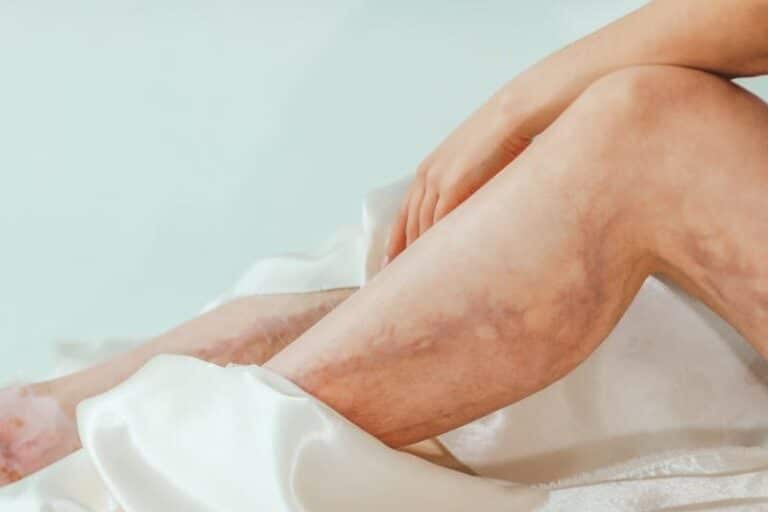
You notice them one day. Tiny red lines on your legs. Purple ones maybe. They’re faint at first. Then they multiply. Spread outward. Branch across your skin like something slowly expanding. Your first thought? Cosmetic problem. That’s what most people conclude. Spider veins equal vanity issue. Nothing deeper. Nothing worth worrying about. Just something that looks bad. Most people miss them completely, though they’re often what leads people to explore Sclerotherapy near me as a treatment option.
Those thin red lines aren’t random cosmetic accidents. They’re signals. Legitimate signals about your circulatory system. About what’s happening beneath the skin. About vein health that’s deteriorating. Ignoring these signals means missing the real story. The story your body’s trying to tell. Your circulation isn’t functioning optimally.
Valve Failure Creates the Visual Problem
Here’s what happens underneath.
Your veins contain valves. Microscopic ones. Gates that control blood direction. Blood needs to flow upward against gravity. Back toward your heart. These valves enable that upward journey. They prevent backward movement. Prevent blood from pooling or reversing course. When valves function correctly, circulation works smoothly. Blood moves upward efficiently. No pooling. No backup. Everything operates as designed.
But valves deteriorate. They weaken. They fail to close properly. Once that happens, blood reverses. Flows backward instead of forward. Accumulates in the vessel. Pressure builds. Intense pressure. That pressure stresses the vessel walls surrounding it. Walls become fragile. Thin. Eventually they leak slightly.
When walls leak, discoloration appears on your skin. Red or purple lines. Thin branching patterns. That’s spider veins. That’s the visible evidence of circulation failure underneath. You’re observing the consequence of valve dysfunction. The cosmetic appearance merely reflects what’s broken inside. The body broadcasts its problems through these visible patterns.
Deeper Problems Exist Below Surface
This truth gets overlooked frequently.
Spider veins visible on your skin don’t exist in isolation. They’re only the surface manifestation. Larger veins beneath those spider veins likely have identical problems. You can’t observe deeper vessels. Can’t see what’s happening below the skin. But the damage is almost certainly there.
Consider what might be occurring inside your legs:
● Valves that barely close anymore
● Blood collecting in larger vessels inappropriately
● Circulation that’s lost its normal rhythm
● Varicose veins preparing to develop
● Swelling that hasn’t surfaced yet
● Future pain accumulating gradually
Spider veins aren’t isolated surface issues. They reveal deeper venous dysfunction. Deep vein problems typically stay silent. They don’t announce themselves loudly. They develop quietly. But spider veins shout that something needs evaluation. Professional evaluation. By someone who understands venous anatomy.
Multiple Pathways Lead to Spider Veins
Origins vary considerably from person to person.
Some inherit weak veins genetically. Standing continuously stresses your venous system over time. Pregnancy reshapes hormone levels and increases blood volume substantially. Aging gradually weakens vein valves naturally. Sun exposure damages vessel walls through UV radiation.
The causes appear different on the surface. Yet they function through one consistent pathway underneath. All damage vein valves. All compromise circulation. Whether genetics or occupational standing or pregnancy or aging or sun damage, the result remains identical. Valves deteriorate. Blood stagnates. Spider veins emerge.
Identifying the cause matters tremendously. Pregnancy-related spider veins might fade after delivery ends. Work-related ones could improve through occupational adjustments. Genetic ones signal a lifelong tendency toward venous issues. Understanding your cause shapes prevention strategy moving forward.
Additional Symptoms Signal Venous Problems
Spider veins rarely appear completely isolated.
Usually other symptoms develop simultaneously. Symptoms that broadcast your venous system requires professional attention. Symptoms worth taking seriously.
Watch for these developing alongside spider veins:
1. Legs swelling noticeably or puffing up
2. Heaviness throughout your leg muscles
3. Aches or genuine pain sensations
4. Skin color changes or darkening
5. Nighttime restlessness or fidgeting
6. Fatigue from minimal activity
When spider veins arrive with these symptoms, your venous health needs assessment. These indicators suggest circulation problems affect your entire leg system. Not just surface appearance. The entire vascular mechanism requires evaluation.
Actions You Can Take Immediately
You don’t require acceptance of spider veins passively. Real action steps exist.
Compression socks function effectively. They apply targeted pressure facilitating blood movement toward your heart. Activity matters significantly. Walking enhances circulation throughout your legs. Leg elevation works through gravity reversal. Elevate your legs when resting. Gravity normally pulls blood downward. Elevation reverses that natural pull. Blood returns to your heart more efficiently.
Avoid sitting motionless for extended durations. Movement continuously prevents blood pooling. Even minimal movement provides benefit. Shift positions regularly. Walk periodically. Stretch frequently. Maintain circulation constantly. These modifications appear simple. Yet they substantially impact venous health.
Topical creams disappoint most users. They can’t penetrate deeply enough. Spider veins form in deeper vessels. Creams remain on surface skin layers. Compression and movement work because they target actual circulation dysfunction.
Professional Assessment Provides Clarity
Eventually professional evaluation becomes essential.
A vein specialist performs ultrasound imaging. Sound waves reveal interior vessel activity. How valves function. How blood circulates. Whether deeper veins developed problems.
Most people feel surprised by the simplicity. It’s painless throughout. Takes approximately thirty minutes. The technician applies gel then moves a device across your leg. Monitor displays show blood flow patterns. You witness exactly what’s happening inside your vessels.
You depart with concrete information about your venous health. That knowledge establishes foundation for intelligent treatment decisions. Decisions grounded in facts. Not speculation. Not assumptions. Actual facts regarding your unique circulatory situation.
Multiple treatment options exist. Sclerotherapy treats spider veins directly. Laser procedures work effectively. Compression therapy helps certain patients. Lifestyle adjustments support many cases. Your specific situation determines appropriate solutions. A professional guides you toward the path serving your health optimally.
The Underlying Message Matters Most
This reality escapes most people’s awareness.
Spider veins communicate something significant about your circulatory health. They convey information regarding valve deterioration. They suggest deeper veins might require attention. They function as warning indicators. Physical proof that your venous system needs care.
Treating spider veins seriously means valuing your vascular health as worthy of protection. Not dismissing the signals your body transmits. Not assuming they’re purely cosmetic concerns. Recognizing that surface appearance frequently reflects deeper problems underneath.
Frequently Asked Questions(FAQs)
Are spider veins actually dangerous?
Spider veins themselves don’t pose direct danger. However they signal underlying circulation problems. Those problems can advance into serious conditions over time. Early treatment prevents progression and complications.
Will spider veins disappear naturally?
Rarely happens. Once valves weaken sufficiently and spider veins develop, they typically persist. Treatment becomes necessary for removal. Conservative measures help prevent new ones from forming.
Do spider veins run in families?
Yes. Family history predicts higher risk substantially. Genetics determine vein wall strength. But inheritance doesn’t guarantee development. Environmental factors influence outcomes too.
How effective are compression socks?
They manage symptoms effectively. They won’t eliminate existing spider veins. However they reduce pain, swelling, and heaviness substantially. They prevent new spider veins from forming. They offer worthwhile preventative benefits.
What distinguishes spider veins from varicose veins?
Primarily size difference. Spider veins appear thin and small. Varicose veins grow larger and bulge more prominently. Both result from identical valve failure. Varicose veins typically produce more symptoms.
Can spider vein development be prevented?
Partially possible. Complete prevention proves unrealistic if genetics work against you. But you can minimize risk significantly. Stay physically active. Avoid prolonged standing. Maintain healthy body weight. Wear compression socks. Elevate legs regularly.
Does pregnancy cause permanent spider veins?
Sometimes yes, sometimes no. Pregnancy triggers spider veins through hormonal shifts and increased blood volume. Some fade after birth. Others remain permanently. Individual genetics and vein strength determine outcomes.
