

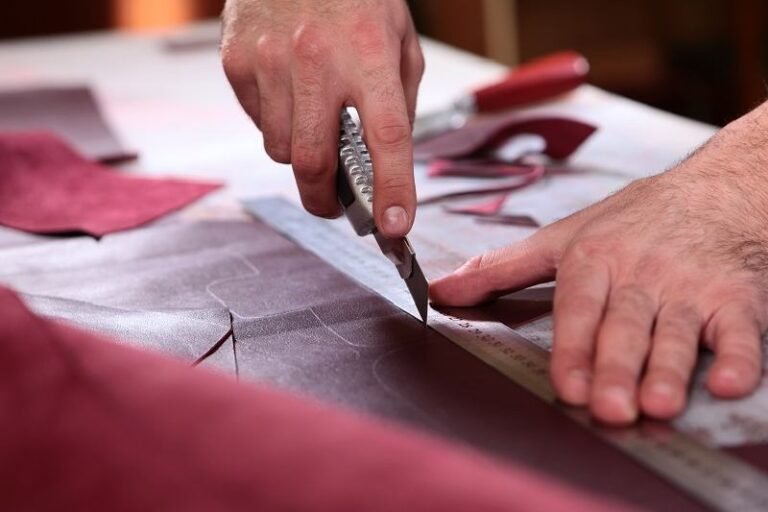
A machinist in Portland spent three years making general-purpose workholding fixtures before a conversation with a tool buyer changed his direction. The buyer needed a specific short-run batch of radius gauges in a configuration no catalog supplier stocked. That job paid better than a full month of standard work and took two weeks to complete.
That kind of pivot is not unusual among small shops. Tools made in the usa through small batch operations fill a gap that large-scale manufacturers cannot serve cleanly: custom specifications, low minimum order quantities, and lead times that don’t require a six-month import cycle to plan around.
The Market Is Larger Than Most Shops Assume
Industries that need custom or specialty tooling include aerospace, medical device fabrication, food processing equipment, furniture manufacturing, and agricultural machinery. Each has application-specific requirements that off-the-shelf tooling cannot meet without modification, and modifying mass-produced tools is often more expensive than ordering a custom batch directly from a domestic shop.
Specialty hand tools, cutting tools, and measurement equipment are consistent demand areas across most of these sectors.
What Small Batch Actually Means in Practice
Small batch manufacturing typically covers runs of 50 to 2,000 units. Below 50, setup cost per unit tends to outweigh production savings unless the tool is very high value. Above 2,000, buyers usually push for cost reductions that require process changes more suited to high-volume production.
The 100 to 500 unit range is where small batch manufacturing is most competitive on both price and turnaround.
Certifications Change the Conversation With Buyers
Buyers in certain industries require documentation of material origin, dimensional certification, and traceability. A small batch manufacturer who provides those shifts from commodity fabricator to qualified supplier.
That distinction matters:
● Certified suppliers command higher margins on comparable work
● Once qualified, switching costs for the buyer rise significantly
● Referrals from purchasing departments carry more weight than cold outreach
Getting certified requires upfront investment and some process documentation, but it narrows the competitive field considerably.
Equipment Is Usually the Real Decision Point
Small batch tool manufacturing requires precision machining equipment, which is expensive to acquire and maintain. A shop evaluating this model needs to assess whether its current equipment covers the tolerances the target market demands.
Tolerances in the 0.001-inch range are standard for professional tooling. That rules out some general fabrication setups and frames the capital question clearly before any other planning starts.
Pricing and Minimums Take a Few Jobs to Calibrate
Small batch pricing is part engineering cost calculation and part market positioning. Setting minimums too low attracts buyers who push margin down without offering volume. Setting them too high prices out the legitimate small custom runs that make the model profitable.
Most experienced shops find their floor through early jobs rather than formula. The first few orders are as much market research as production, a lesson long-standing names in tool manufacturing learned by doing.
FAQs
How do you find buyers for small batch tool orders?
Trade show contact and direct outreach to purchasing managers in target industries produce the most consistent early leads, supplemented by referrals from existing customers once a track record exists.
Is domestic manufacturing cost-competitive for small batches?
For runs under 500 units with custom specifications and certification requirements, domestic production is frequently more cost-effective than overseas sourcing after factoring in lead time, logistics, and rework rates.
What is the biggest risk when starting out?
Underpricing early jobs due to inexperience with true setup and overhead costs, which establishes a low margin baseline that is very difficult to correct with existing customers later.
